
Machine Learning for Early Identification and Management of Pulmonary Embolism
A machine learning risk stratification model to improve recognition and management of high risk PE while also reducing hospital utilization for low risk patients.

A machine learning risk stratification model to improve recognition and management of high risk PE while also reducing hospital utilization for low risk patients.

Improving dermatology access, care delivery and cost via machine learning assisted risk stratification.

A population health solution for NAFLD with an ultimate goal to optimize health care resources by improving access for high risk patients and minimizing unnecessary referrals.

Guiding appropriate specialty consultation and delivering tailored patient educational content.

Placing patient-specific 3D images in the Neurosurgeon’s field of view using augmented reality and advanced imaging to increase precision for epilepsy surgery.

Estimates the pre-test probability of bacteremia and post-test probability of blood culture results in hospitalized patients for EHR-based clinical decision support.

A model to aid actionable mild to moderate TBI triage decisions in the ER.

Augment OR case review huddles with a virtual operating room hub to facilitate communication across shifts and within shifts in the OR.

Identify obstetric patients at risk for clinical deterioration by using a variety of patient clinical parameters obtained from multiple data modalities and predictive modeling of pregnancy specific, patient related changes.

A Hospital at Home program in Wake County that would allow patients to be treated for hospital-level conditions in their homes.

Identify high risk mortality inpatients to provide them with a Transition of Care Toolkit to help with advance care planning.
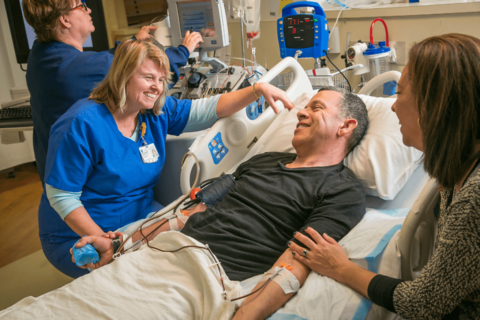
A machine learning model to predict in-hospital mortality, run at the time of admission to the hospital, for all adult patients.

Develop a clinical dashboard built on existing DIHI databases and predictive modeling to assist in providing more efficient dispositions for emergency department patients by predicting clinical trajectory and need for admission.
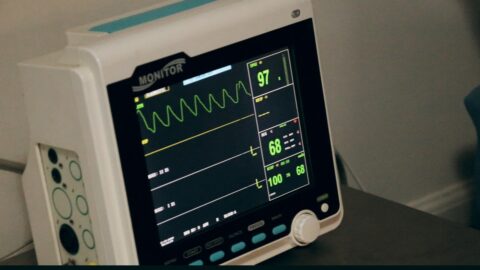
Develop and implement a machine learning risk score for patient deterioration.

A Virtual Assistant to help patients understand whether they should go to the ER immediately rather than sending the email they are about to send to their physician.
Develop predictive models to identify rapidly and accurately CTS patients at high-risk (and high-cost) for postoperative clinical deterioration necessitating readmission from the SDU back to the ICU.

Develop machine learning methods that will identify children at risk for clinical deterioration.

Create a chest pain assessment tool which integrates with Epic using FHIR to rule-in or rule-out acute MI.

Develop a data repository with key clinical and administrative data with the goal of understanding the actual cost of treating ductal carcinoma of the breast within the Duke Health System.
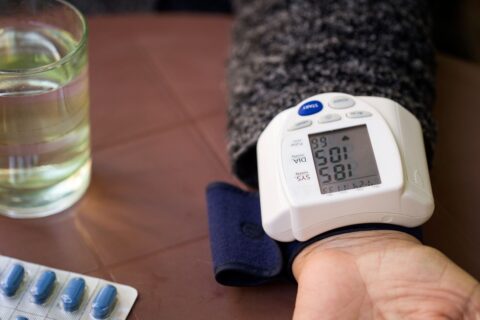
Implement a blood pressure management clinical pathway to better incorporate PCPs as active members of the cancer care team.

Simulated telehealth evaluation of shoulder pain using patient self-examination will be compared to traditional clinical examination of shoulder pain using MRI as the gold standard to determine accuracy in detecting rotator cuff tears.

Demonstrate the feasibility and utility of integrating electronic patient-reported outcomes (ePROs) into the existing Epic electronic health record for use in outpatient cancer care.

Systematically engaging families and helps ICU clinicians deliver needs-targeted palliative care.

To develop and validate a computer algorithm to correctly estimate left ventricular ejection fraction (LVEF) as an initial step toward a fully automated echocardiogram evaluation.

Inviting healthcare providers, staff, students, trainees, patients, and visitors to have conversations about what is meaningful in your lives, work, and relationships.
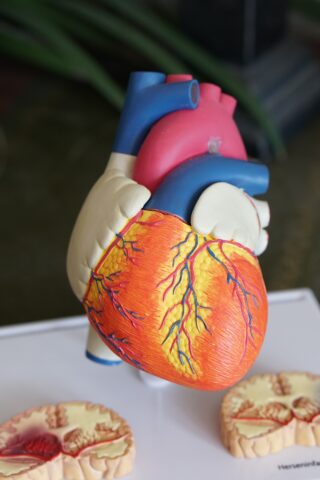
Duke Heart and DIHI are collaborating to implement the phenotype dashboard and model to support real-time identification of patients experiencing or at high risk of experiencing cardiac decompensation.

Developing an innovative GME Trainee Primary Care eVisit Program within Duke Primary Care.

Identify optimal, individualized treatment policies for insulin dosing in the context of systemic glucocorticoids.

Implement an RFID system that could be integrated into the OR to measure instrument usage autonomously.

Patients upload cardiac tones from digital stethoscopes to develop acoustic signatures associated with LVAD complications.